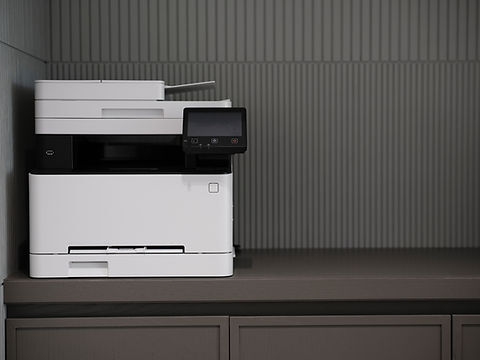
Managed Print Services (MPS) has been declared “dead” more times than most MSPs can count. Yet in reality, print is still embedded in day‑to‑day operations across SMBs, education, healthcare, and distributed offices. The problem isn’t demand—it’s how MPS is delivered, priced, and supported.
For many MSPs, print has become a friction point. It feels operationally messy, margin‑thin, and disconnected from modern managed services. As a result, some MSPs ignore it altogether, while others inherit it reluctantly after winning a network or security deal.
That’s a missed opportunity.
When structured correctly, Managed Print Services can be a profitable, sticky, and highly defensible revenue stream—one that complements core MSP offerings rather than competing with them. The key is treating MPS as a managed service, not a legacy copier program.
This guide breaks down how MSPs, IT resellers, and office technology dealers can rethink MPS for profitability, scalability, and long‑term customer value.
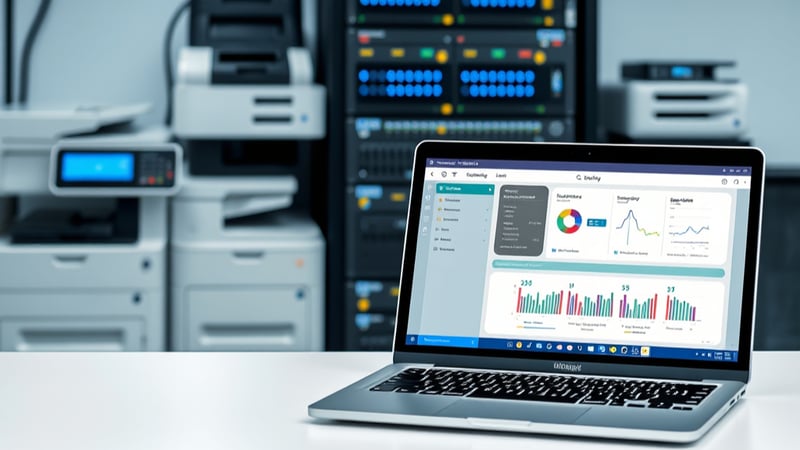
Why Print Still Matters (Even When Everyone Says It Doesn’t)
- SMBs still rely on print for invoicing, compliance, shipping, labeling, and customer documentation
- Education environments continue to print worksheets, administrative documents, and instructional materials
- Distributed workforces require local, reliable output without on‑site IT support
What has changed is customer tolerance for downtime and complexity. End users no longer care about copier specs or toner models. They care about one thing:
“Does it work when I need it to?”
This expectation aligns perfectly with the MSP model—provided print is integrated correctly.
The Core Problem: Traditional MPS Doesn’t Fit the MSP Model
Many MSPs struggle with MPS because they’ve inherited copier‑centric approaches that don’t align with how MSPs operate.
- Reactive service calls that break standardized workflows
- Vendor‑locked supplies with unpredictable margins
- Hardware sprawl across multiple brands and models
- Manual toner ordering and inventory tracking
- Separate contracts that confuse customers and billing systems
In short, traditional MPS creates operational drag, not leverage.
To make MPS profitable, MSPs need to simplify, standardize, and align print with their existing service delivery model.
Reframing MPS as an Extension of Managed IT
Profitable MPS starts with a mindset shift.
Instead of treating print as:
- A hardware sale
- A copier lease
- A bolt‑on service
Successful MSPs position MPS as:
- A managed endpoint service
- A predictable operating expense
- A support‑inclusive offering
This reframing changes how MPS is sold, deployed, and supported.
Key characteristics of MSP‑aligned MPS:
- Fewer device models, not more options
- Remote monitoring over manual checks
- Automatic supply replenishment
- Simple pricing customers can understand
- Clear ownership between MSP and distributor
When print behaves like other managed endpoints, it becomes easier to scale—and easier to defend.
Where Profitability Actually Comes From in MPS
Contrary to common belief, profitable MPS isn’t about squeezing margin from hardware. It’s about controlling the variables.
1. Standardization Drives Margin
The fastest way to kill MPS profitability is supporting too many device types.
High‑performing partners:
- Limit their approved printer and MFP lineup
- Standardize consumables and drivers
- Reduce training and troubleshooting complexity
This lowers service costs and improves first‑call resolution—two major margin drivers.
2. Supplies Are a Strategic Lever, Not an Afterthought
Using compatible, distributor‑supported supplies allows MSPs to:
- Improve gross margin predictability
- Avoid vendor lock‑in
- Reduce emergency orders and expedited shipping
- Align supply costs with contract pricing
When supplies are treated as part of the managed service—not a resale item—profitability improves.
3. Monitoring and Automation Reduce Labor Burn
Manual meter reads, reactive toner calls, and “it’s printing weird” tickets are margin killers.
Profitable MPS programs rely on:
- Remote device monitoring
- Automated alerts and replenishment
- Clear escalation paths
The less time technicians spend touching print issues, the more scalable the service becomes.
Packaging MPS for MSP Sales Teams
The solution is simpler packaging, not deeper technical detail.
- Outcomes, not devices
- Monthly predictability, not per‑page math
- Inclusion, not exceptions
Instead of selling:
“This printer with this toner at this CPP…”
Sell:
“We manage your print environment the same way we manage your network—no surprises, no downtime, no finger‑pointing.”
This aligns MPS with how MSPs already sell managed services.
Use Case: MPS as a Door‑Opener, Not a Side Deal
For many partners, MPS works best as:
- A land‑and‑expand opportunity
- A competitive wedge
- A retention tool
Example scenario:
An MSP competes for an SMB account already locked into another IT provider—but frustrated with printer downtime and supply issues:
By offering:
- A simple, managed print program
- Clear SLAs
- One point of accountability
The MSP gains:
- A foot in the door
- Visibility into the broader IT environment
- A trusted relationship that can expand over time
Print becomes the entry point, not the end goal.
Internal resistance often kills MPS initiatives. Technicians don’t want more tickets, and service managers fear unpredictable workloads.
Successful MSPs address this upfront by:
- Limiting supported devices
- Partnering with distributors that provide backend support
- Using compatible supplies to simplify logistics
- Documenting print like any other endpoint
Why Distribution Matters More Than Ever
For MSPs and resellers, the right distributor can make or break an MPS program.
A strong distribution partner helps by:
- Curating simplified hardware options
- Providing reliable compatible supplies
- Supporting education and onboarding
- Reducing operational overhead
- Managed IT agreements
- Hardware refresh cycles
- Office technology bundles
- Education and SMB vertical solutions
This creates:
- Higher contract values
- Longer customer lifecycles
- Fewer competitive entry points
Print becomes part of the ecosystem, not an orphaned service.
Common Mistakes That Undermine MPS Profitability
Even well‑intentioned MSPs fall into traps, including:
- Supporting every printer the customer already owns
- Underpricing to “win the deal”
- Treating supplies as pass‑through items
- Overpromising response times without automation
- Letting MPS sit outside the core MSP offering
Avoiding these mistakes is often more impactful than adding new tools.
The Future of MPS for MSPs
Managed Print Services isn’t disappearing—it’s converging.
As MSPs continue to own the endpoint experience, print will increasingly be:
- Bundled
- Standardized
- Simplified
Partners that approach MPS strategically will gain:
- Incremental recurring revenue
- Stronger customer stickiness
- Differentiation in crowded MSP markets
Those that ignore it risk leaving money—and influence—on the table.
The question isn’t whether MSPs should offer Managed Print Services. The real question is:
Can you afford not to?
When designed for simplicity, supported by the right partners, and aligned with managed IT principles, MPS becomes a profitable, scalable service—not a distraction.
For many MSPs and IT resellers, the challenge with Managed Print Services isn’t demand—it’s execution. Image Star helps bridge that gap by supporting simplified, channel‑friendly MPS strategies that align with how MSPs actually operate.
Image Star works with partners to:
- Enable standardized printer and MFP deployments
- Support margin‑friendly MPS programs with Hyperion compatible supplies
- Reduce operational friction around sourcing and replenishment
- Help MSPs offer Managed Print Services without becoming print specialists
Rather than pushing complexity, Image Star focuses on practical enablement—helping partners build MPS offerings that are easier to sell, easier to support, and easier to scale.
For MSPs, IT resellers, and office technology dealers looking to turn Managed Print Services into a profitable, defensible part of their portfolio, Image Star provides the tools and channel expertise to make MPS work—on your terms.